Fire Safety
November 9, 2023
Customize your UTV with a removable fire skid
QTAC removable fire skids make your UTVs customizable for multifunctional use.

Published on:
August 25, 2026
That depends. Once a wildfire is a fully developed, wind-driven event, even a battalion of firefighters and an aerial attack might not stop it. So what can a landowner do? Be prepared. While personal safety, official evacuation orders, and waiting for clearance from fire authorities to return always come first, private landowners can defend their homes and land from spot fires and embers. Using fire-resistant building materials, creating defensible space, and maintaining personal fire suppression equipment, like a QTAC Fire Skid mounted to a UTV or truck, helps homeowners conduct safe "mop-up" operations and suppress flare-ups before they become larger issues.
When a major wildfire erupts, the hard truth is that fire agencies must make strategic decisions to prioritize life safety and primary residential structures above all else.
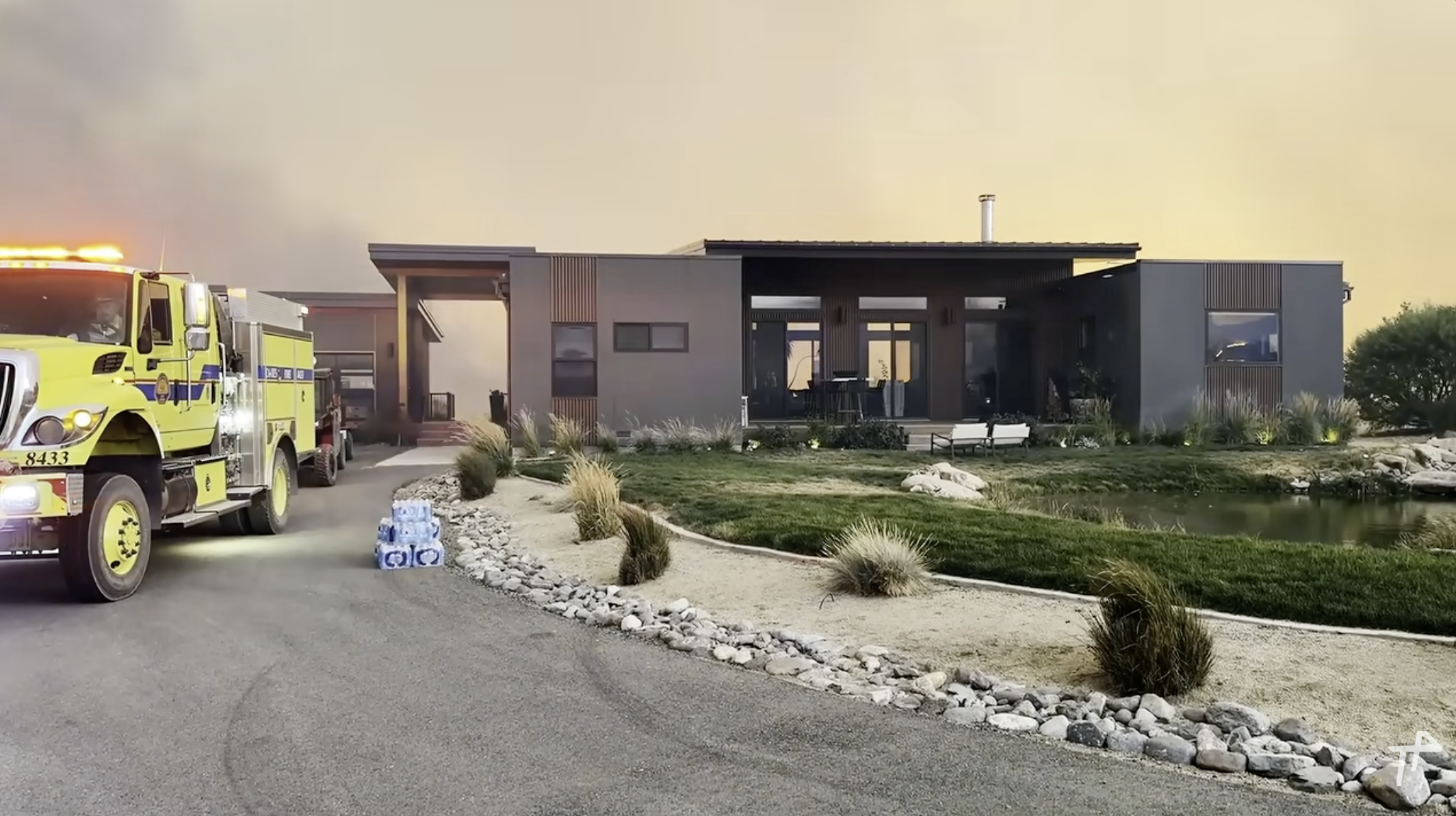
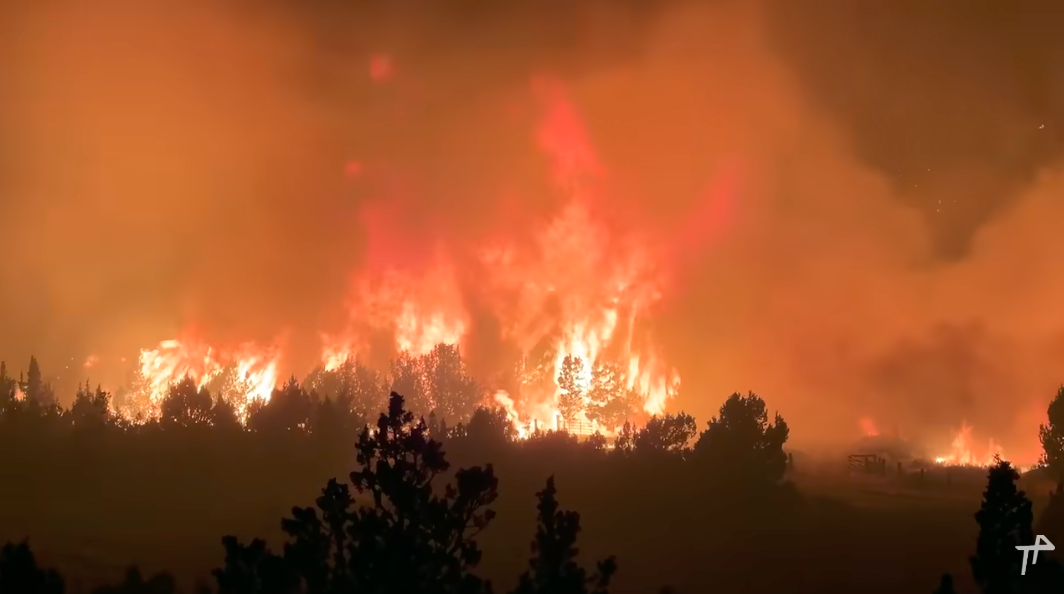
During the over 60,000-acre Bug Fire on the California/Nevada border, local homeowner Trent Palmer experienced this reality firsthand. With flames surrounding his property and 80-foot juniper tree flare-ups approaching his home, Palmer decided to stay and defend. He used a water truck, a QTAC 125HP, and multiple skid-steers to manage the situation until the fire department arrived to make a stand at his home.
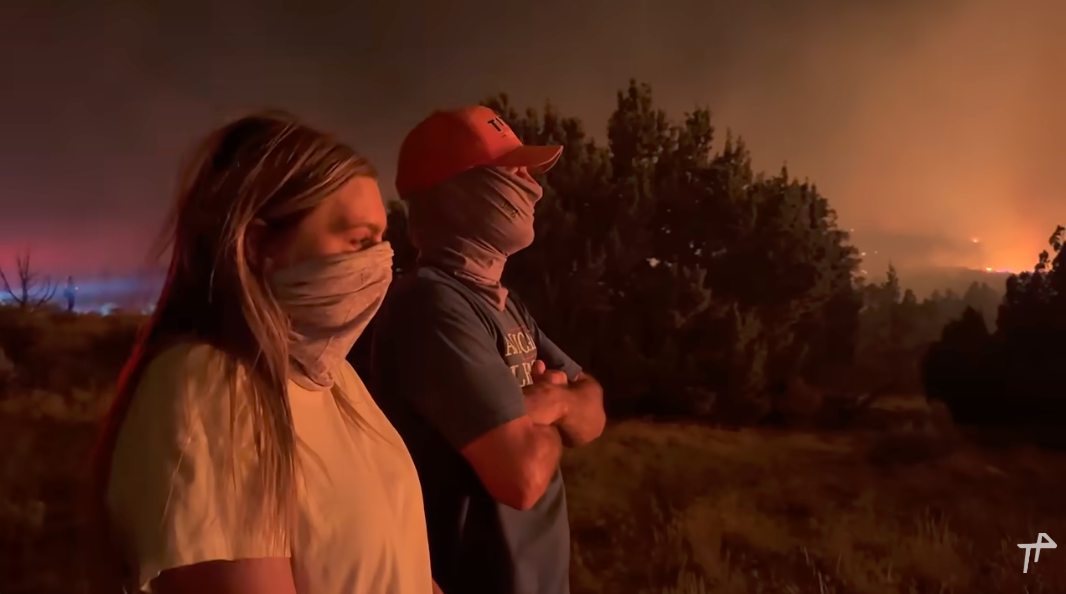
Trent and his neighbors faced the ultimate test. But instead of relying purely on luck, Trent’s property survived because of two critical factors:
When a 40-foot tree flared up right behind his house at 2:00 AM, the fire crews had already moved on to their next objective. Trent used his QTAC skid to extinguish it. He spent the next several days using the skid to put out smoldering brush and secure the perimeter of the unburned areas of his property.
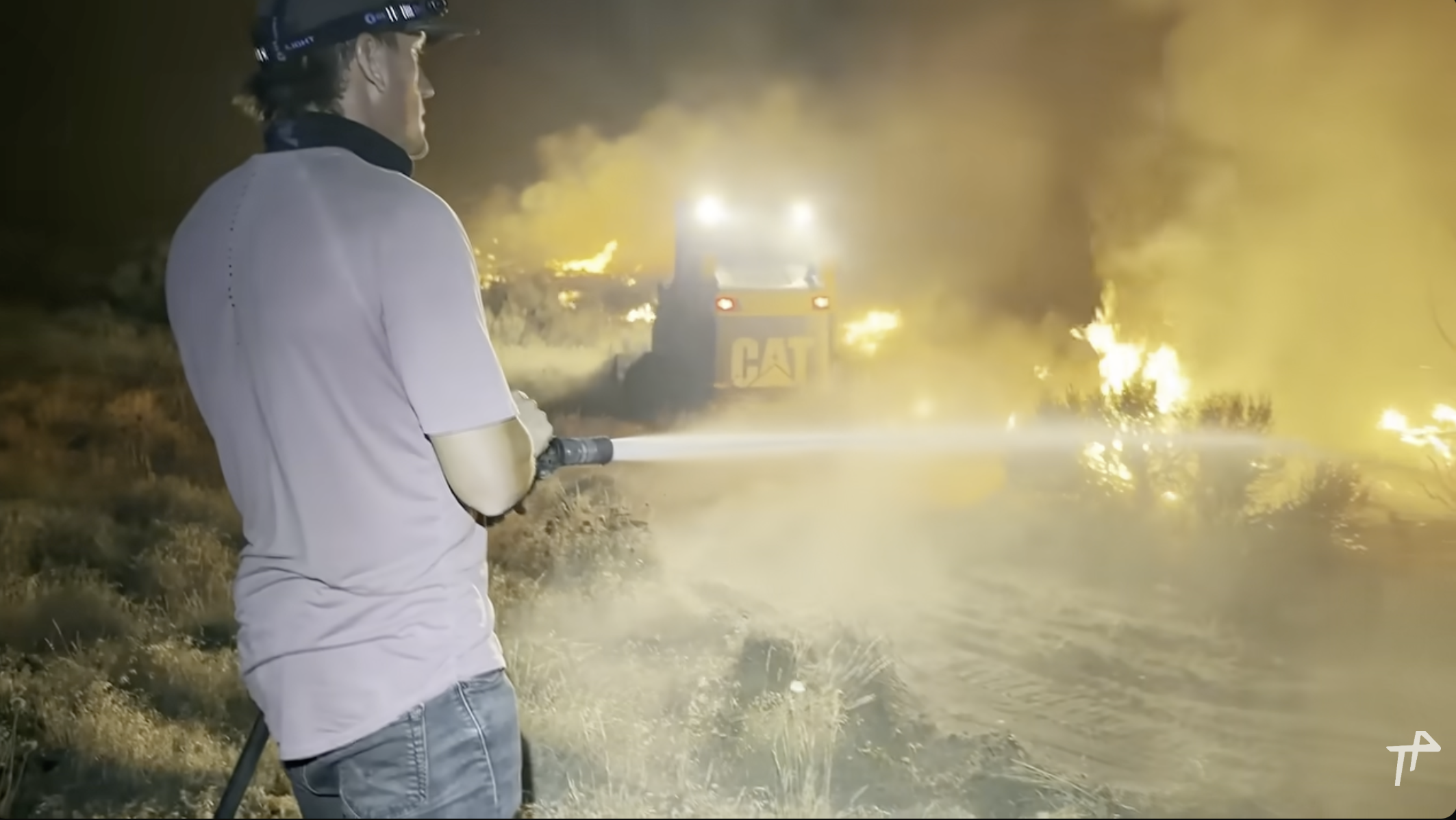
Crucial Safety Note: You cannot stop a fast-moving, active fire front, regardless of the equipment you have. Evacuating is the safest option. Always follow evacuation orders and listen to your local fire authorities regarding when it is safe to return to your property. Personal fire equipment is never meant to replace professional firefighters; it is strictly designed for post-front mop-up, ember patrols, creating wet lines, and controlling small spot fires.
A QTAC Fire Skid is a professional-grade, self-contained fire suppression unit designed to be mounted into the bed of a UTV, ATV, or pick-up truck. Built in the USA using lightweight, crack-resistant PolyTough™ copolymer polypropylene, these units are essentially miniaturized fire engines.
Ranging from 20 to 300+ gallons, allowing for extended mop-up operations without constant refilling.
Driven by reliable motors (like Honda), delivering high PSI to penetrate deep into smoldering root systems and brush.
Fits easily into side-by-sides (UTVs) or pickup beds, letting you navigate rugged, off-road terrain that full-size engines cannot reach.
Many units can pull water from swimming pools, ponds, or holding tanks (like Trent’s 10,000-gallon pond) to continuously refill the skid.
If you live in the wildland-urban interface (WUI), a QTAC skid is an invaluable insurance policy. Here is how private landowners deploy them effectively:
No. A homeowner cannot and should not attempt to stop an active, wind-driven wildfire front. Homeowners should focus on creating defensible space, using fire-safe building materials, and utilizing personal fire skids solely for pre-wetting or post-fire mop-up of small spot fires.
During severe wildfire events, fire agencies adhere to strict operational priorities: life safety first, followed by primary residential structures. Their main mission is defending these critical assets from the active fire front. Once a home is secure, crews must move forward to the next threatened structure. They cannot remain on-site to extinguish smoldering brush or protect timber on large private parcels.
That depends heavily on the size of the skid and your water capacity needs. For fire skids under 100 gallons, Utility Task Vehicles (UTVs) like a Polaris, Can-Am, or Kubota are excellent options. They can navigate tight trees, steep grades, and dirt roads with ease (a QTAC 40S or 85S fits perfectly in most UTV beds). For larger fire skids with more capacity, you will need to find a high-payload truck, such as a Ford F-350 or F-450, that can safely handle the substantial weight of the water and equipment.
Equip yourself with the exact setup Trent Palmer used to defend his property.


