Product News
November 14, 2023
7 Things You Can Put on a QTAC Skid
Explore 7 optional add-ons for your QTAC skid.

Published on:
August 18, 2025
There’s a term in wildland firefighting: “Keep one foot in the black.”
It means always staying in an area that’s already burned—because fire can’t survive without fuel. The same logic applies to protecting your property.
Prescribed burning is one of the most effective tools in fire mitigation. Not only does it reduce the chances of wildfire destroying your land, it also benefits the surrounding ecosystem.
Also known as controlled burns, prescribed fires are planned, low-severity burns implemented by people. When done safely and under the right conditions, the benefits are clear:
A well-managed burn creates a natural buffer—turning dangerous terrain into fire-resistant land.
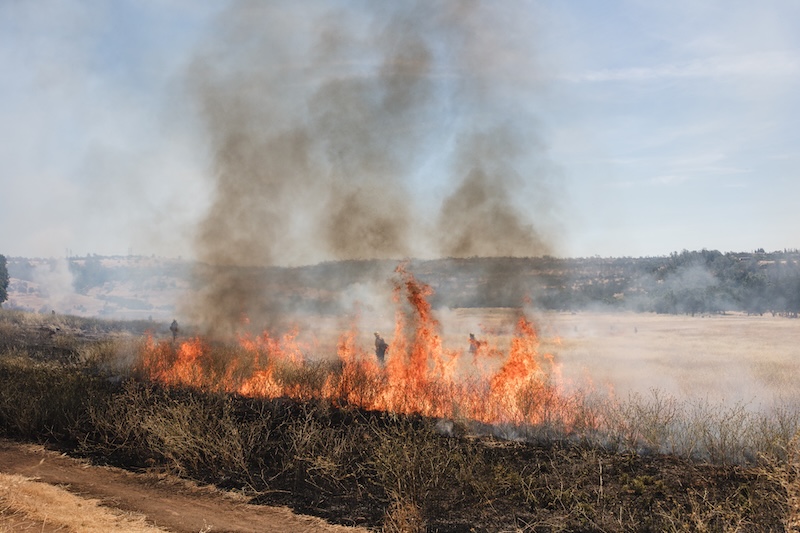
Fire always comes with risk—and responsibility. Before you strike a match, take these steps:
1. Get expert support.
Hire or consult a qualified burn boss or fire professional. They’ll help you plan, stay legal, and stay safe.
2. Understand regulations.
Laws vary by city, county, and state. Permits are almost always required. Start with your local fire department or forestry agency.
3. Connect with your burn association.
Prescribed burn associations or private contractors can help you:
4. Communicate clearly.
Everyone involved should:
5. Be ready to cancel.
If weather conditions change—like low humidity or rising winds—reschedule. Better to delay than lose control.
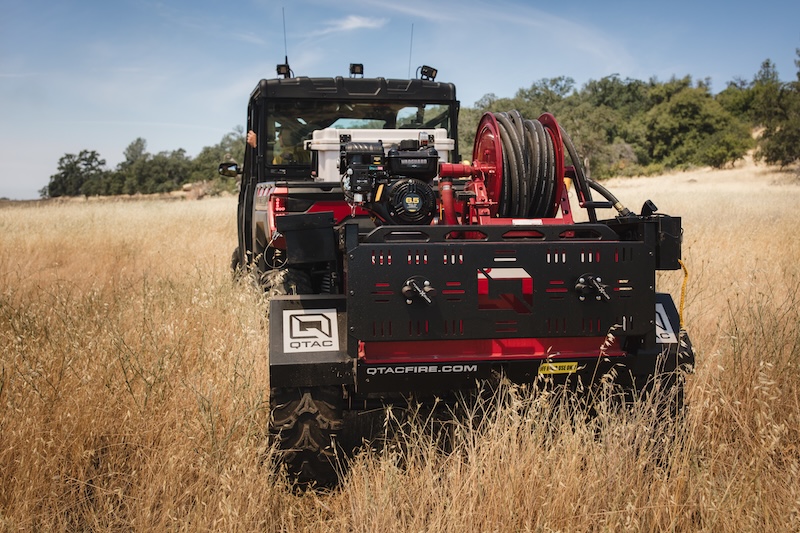
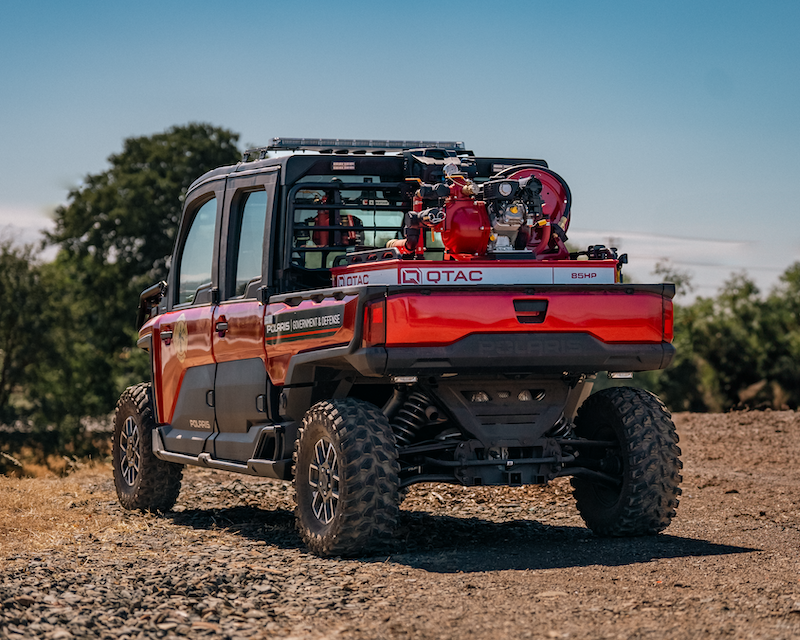
QTAC skid units are trusted tools for prescribed burning operations around the world. Locally, we’ve seen their value firsthand during control burns in our region.
From small parcels to larger tracts of land, there’s a QTAC unit sized and equipped to meet your needs:
Before you begin planning a burn, take time to review the following:


