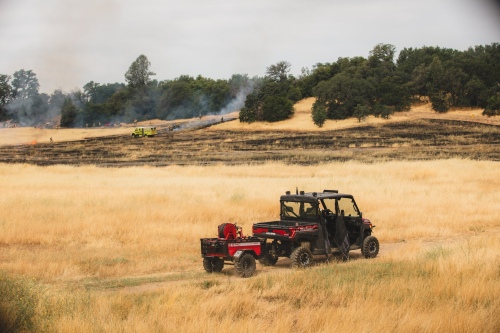
When initial attack resources are cycling through back-to-back assignments, mechanical wear accelerates. Extreme heat, heavy dust, and constant off-road vibration put severe stress on slip-in units.
To prevent catastrophic equipment failure on the fire line, equipment officers and crews must execute routine mid-season inspections. Use this operational checklist during shift changes or weekly maintenance windows to ensure your QTAC remains fully functional.
1. Structural and Tie-Down Security
Continuous operation over rough terrain loosens mounting hardware and shifts payloads. Structural checks must be performed frequently to maintain vehicle stability and equipment security.
Mounting Hardware: Inspect all tie-down straps, turnbuckles, or mounting bolts securing the skid to the vehicle bed. Torquing hardware back to spec prevents shifting during aggressive off-road maneuvers.
PolyTough Tank Seams: Perform a visual inspection of the polypropylene tank. Check for impact points from shifting tools or loose equipment in the bed.
2. Mid-Season Engine Maintenance
Aircooled engines operating in high-ambient temperatures and heavy smoke require more frequent service intervals than standard manual recommendations.
Oil Level and Quality: Check engine oil daily. High operating temperatures accelerate oil breakdown. Change the oil immediately if it shows signs of discoloration or thinning.
Air Filtration: Smoke and airborne particulates choke engines quickly. Pull the air filter element after every major operational period. Tap out heavy dust or replace the element if it is saturated with soot.
Spark Plug Inspection: Carbon buildup from prolonged idling can cause starting failures. Inspect the plug for fouling, verify the gap, and clean the electrodes.
Fuel Management: Ensure only fresh, high-octane, ethanol-free fuel is used.
3. Pump and Plumbing Integrity
Drafting from raw water sources introduces debris that can damage internal pump components and clog nozzles.
Inline Suction Strainer: Remove the strainer cap and flush the mesh screen. Debris, algae, and sand from field drafting restrict intake flow and cavitate the pump.
Valve Cycling: Manually operate all stainless steel and brass ball valves through their full range of motion. Ensure seals are intact and valves do not bind under pressure.
Victaulic Connections: Inspect all manifold couplings and mechanical joints for seal weeping or loosening caused by pump vibration.
4. Hoses, Reels, and Nozzles
Discharge lines take direct abuse from embers, sharp rocks, and heavy brush during hose lays.
Hose Jacket Inspection: Unreel the hardline completely. Check for deep abrasions, burns, soft spots, or kinking that could compromise the hose line under working pressure.
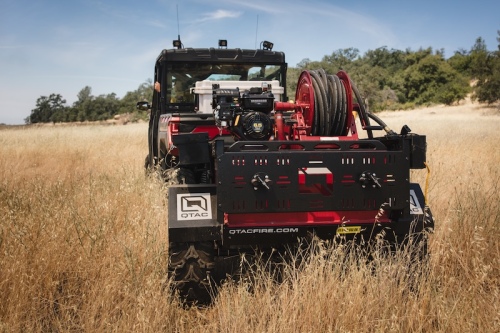
Hannay Reel Mechanicals: Verify the electrical rewind contacts are clean and secure. Check the drive chain tension and lubricate gears to ensure rapid deployment and recovery.
Nozzle Functionality: Verify the nozzle mechanism transitions smoothly from full fog to straight stream. Clean out any particulate blockages from the tip and lubricate moving parts with a silicone-based spray if binding occurs.
5. Pressure and Operational Testing
A static inspection cannot replicate field conditions. Run a pressurized test to confirm system readiness before the next dispatch.
Verify the tank has sufficient water volume and ensure the pump wet end is primed.
Start the engine, allow it to reach operating temperature, and engage the pump.
Slowly open the discharge valve and cycle the nozzle through all spray patterns at full working pressure.
While the plumbing system is fully pressurized, perform a walk-around inspection to look for weeping pump seals, loose hose swivels, or manifold leaks.
Expedited Replacement Parts
Discovering a worn seal, clogged strainer, or damaged valve during a mid-season check requires immediate action. Do not return a compromised unit to service. Contact QTAC directly for expedited parts support to keep your apparatus fully operational.